Start With the Essentials
Preparing for a power outage does not require a permanent generator, a basement full of supplies, or an alarmist mindset. For renters, condo residents, and small-home owners, the best approach is to identify the essentials that must keep working and make a simple plan around them. Start with lighting, phone charging, refrigeration, medication storage, heating or cooling needs, and internet access for remote work.
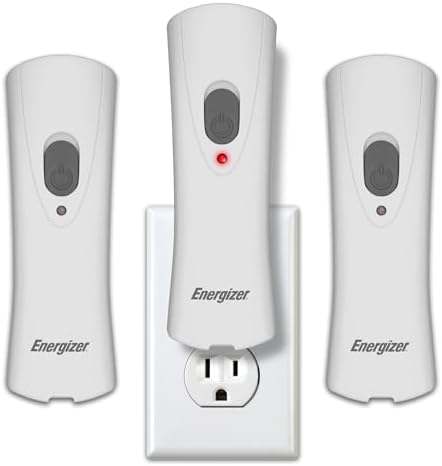
Keep a few rechargeable lanterns or battery lights in accessible locations rather than relying on candles. Store power banks fully charged, and maintain a basic supply of drinking water, shelf-stable food, batteries, first-aid items, and any necessary medications. A printed contact list and a manual can opener are inexpensive additions that become useful when phones and appliances are unavailable.
Choose Backup Power by Need
Battery sizing becomes easier when you focus on watt-hours instead of guessing from appliance names. Write down each device you may need, its wattage, and how long you expect to use it. A phone requires very little energy, while a refrigerator, medical device, or space heater can use substantially more. Add the estimated energy for your priority devices, then choose a portable power station with extra capacity for charging losses and unexpected delays.
Small battery units may be enough for phones, lights, and a laptop. Larger models can support refrigeration and several devices, but they also cost more and weigh more. Check the unit’s continuous and peak output, available outlets, recharge time, and whether it can be safely used indoors. Never operate gasoline or propane generators inside a home, garage, balcony, or enclosed area because carbon monoxide can build up quickly.
Build a Calm Outage Routine
When the power fails, unplug sensitive electronics, confirm whether the outage affects only your home, and limit refrigerator and freezer openings. Use your backup battery for the highest-priority devices first. A laptop can often run longer when brightness is reduced and unnecessary applications are closed, while a phone’s battery-saving mode can preserve communication access.
Review your supplies every few months, recharge stored batteries, and update your plan after changing apartments, appliances, or work routines. Practical preparation is not about expecting the worst; it is about making short disruptions safer, quieter, and easier to manage.