Start with the Essentials
Power outages are easier to manage when preparation focuses on everyday needs rather than worst-case scenarios. Begin by listing the appliances, devices, and services that matter most in your apartment or small home. For many households, priorities include a refrigerator, phone chargers, a few lights, medical equipment, a laptop, and internet equipment. Knowing what must stay available helps you avoid spending money on capacity you may never use.
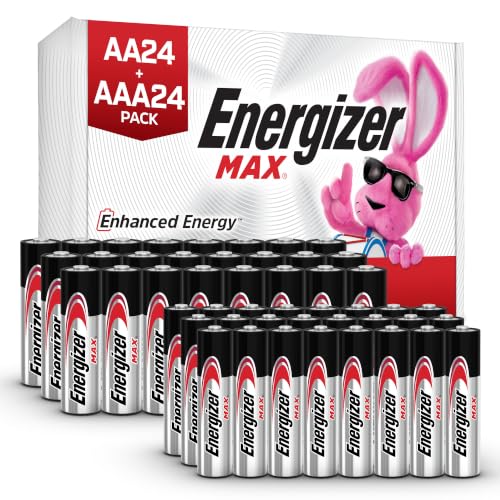
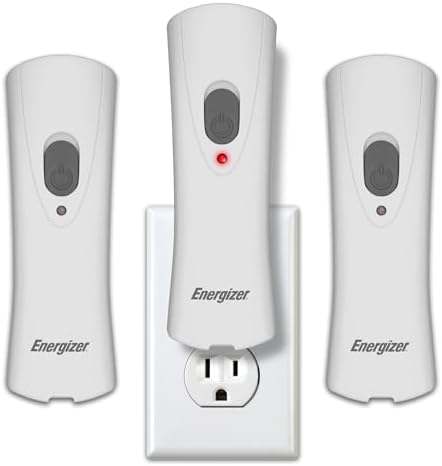
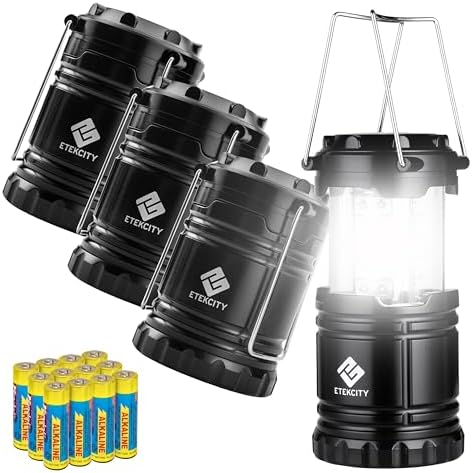
Keep a basic outage kit in one accessible place. Battery-powered lights, spare charging cables, drinking water, shelf-stable food, and a manual can opener are useful starting points. Renters and condo residents should also know which areas are safe for equipment, how building rules affect backup power, and whether elevators, garage doors, or water systems depend on shared electricity.
Understand Battery Sizing
Battery sizing begins with two questions: how much power a device uses and how long you need to run it. A device’s wattage multiplied by the number of hours required gives an approximate energy need in watt-hours. For example, a 60-watt refrigerator running for six hours would require roughly 360 watt-hours, although compressors cycle on and off rather than operating continuously.
Add the estimated needs of your priority devices, then include extra capacity for conversion losses, cold weather, battery aging, and unexpected delays. A portable power station with a larger watt-hour rating can run more equipment for longer, but it may also be heavier and more expensive. Choose capacity based on realistic routines, not every appliance in the home.
Build a Practical Backup Routine
During an outage, conserve energy by switching off nonessential devices and using low-power LED lights. Keep refrigerator and freezer doors closed, and charge communication devices early. If you need internet access for remote work, test your modem, router, and laptop together before an emergency. Some power stations support pass-through charging, but check the manufacturer’s guidance before relying on that feature.
Review and Improve Your Plan
Test your setup every few months. Confirm that cables work, batteries hold a charge, and your chosen power station can start the devices you depend on. A short practice run will reveal confusing controls, missing adapters, or unrealistic expectations. Calm, regular reviews make outage planning more dependable without requiring a permanent generator or complicated system.